
After more than a decade of litigation, SAFE and fellow plaintiffs will return to Madison County Circuit Court on December 7. We’re asking our supporters to stand with us.
9/24/2026
For more than a decade, Southern Illinoisans Against Fracturing Our Environment (SAFE) has challenged the process by which Illinois adopted regulations governing high-volume horizontal hydraulic fracturing.
That fight is still going.
On Monday, December 7, 2026, at 9:00 a.m., attorney, Pat Handlin and Vito Mastrangelo, representing SAFE and the other plaintiffs are scheduled to appear before Judge Foster at the Madison County Courthouse in Edwardsville, Illinois, for hearings on two motions seeking dismissal of our complaint.
This is an important moment in a case that stretches all the way back to 2014—and we would like our supporters, allies, and friends to be there.
How Did We Get Here?
Illinois enacted the Hydraulic Fracturing Regulatory Act in 2013. The Illinois Department of Natural Resources (IDNR) was then responsible for developing the administrative rules that would govern high-volume horizontal hydraulic fracturing in the state.
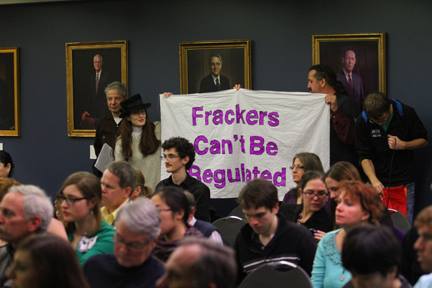
Thousands of Illinois residents participated in that rulemaking process. According to the current complaint, IDNR received approximately 38,000 public comments totaling more than 43,000 pages before the rules were finalized.
SAFE was part of that public process. Our organization had already been educating Southern Illinois residents about fracking, the proposed law, and the regulations being developed under it. SAFE’s role in public education concerning the Hydraulic Fracturing Regulatory Act and IDNR’s regulations is described in the current complaint.
But SAFE and other participants believed there were serious problems with the way the rulemaking process had been conducted.
Among other things, the plaintiffs allege that IDNR failed to follow mandatory procedures established by Illinois law and that those failures deprived Illinois citizens of their right to participate fully in the development of the regulations.
One example involves something fundamental to public participation: notice of public hearings.
The current complaint states that five public hearings were held during the rulemaking process—in Chicago, Ina, Effingham, Decatur and Carbondale. The plaintiffs allege that none received the 20 days of notice they contend was required under the applicable administrative rule. According to the complaint, Chicago received 11 days’ notice, Ina 18 days, Decatur 11 days, Carbondale 13 days, and the rescheduled Effingham hearing received no notice in the Illinois Register.
The plaintiffs contend that these and other problems impaired the public’s ability to review, understand and respond meaningfully to the proposed rules.
For SAFE, public participation in decisions that can affect our land, water and communities is not a technicality. It matters.
A Right Written Into the Illinois Constitution
There is another principle underlying SAFE’s long involvement in this fight.
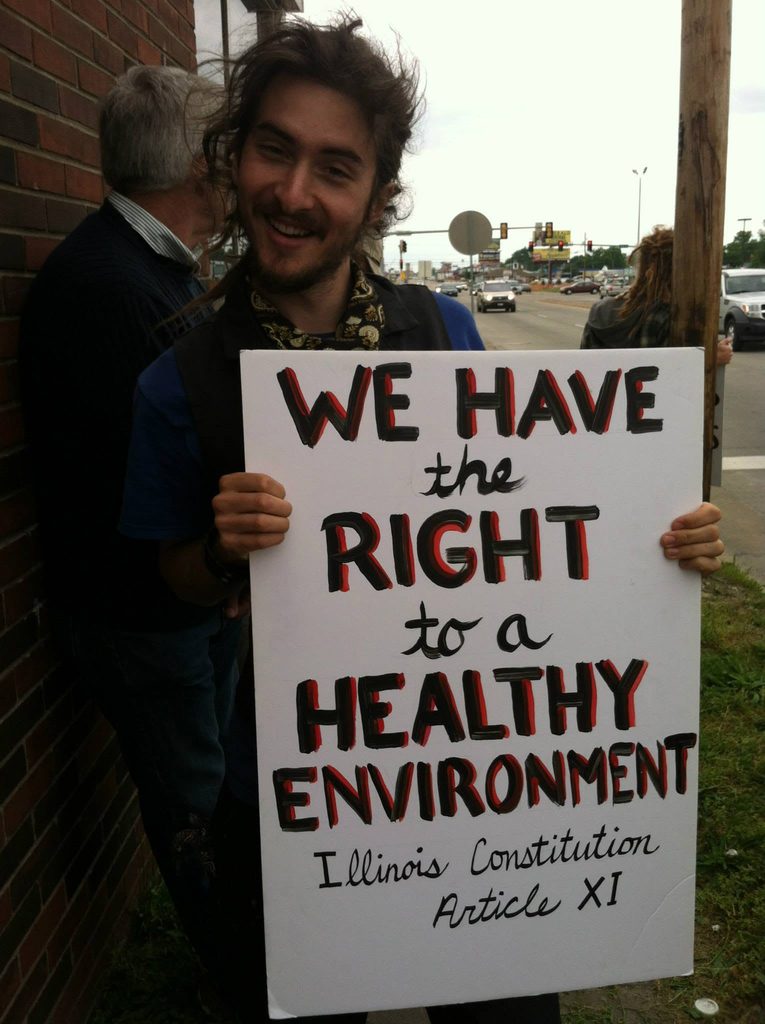
Article XI of the Illinois Constitution is devoted specifically to the environment. Section 1 declares it the public policy of Illinois to “provide and maintain a healthful environment for the benefit of this and future generations.” Section 2 goes further:
“Each person has the right to a healthful environment.”
The Constitution also provides that people may enforce that right against governmental or private parties through appropriate legal proceedings, subject to reasonable limitations established by law.
That constitutional commitment has particular meaning to an organization like SAFE.
We believe decisions involving activities with the potential to affect our water, air, land and communities deserve rigorous scrutiny, sound science and meaningful public participation.
Those principles helped motivate people to become involved when Illinois was developing its fracking regulations. They continue to matter today.
SAFE Went to Court in 2014
On November 10, 2014, SAFE and individual plaintiffs filed the original lawsuit challenging the rulemaking process.
Four days later, on November 14, IDNR filed the high-volume horizontal hydraulic fracturing rules with the Illinois Secretary of State, at which point the rules became effective.
The lawsuit has continued, in various forms, ever since.
Today the plaintiffs include SAFE and seven individuals: Marie Smith, Mark Donham, Vito Mastrangelo, Sam Stearns, Tabitha Tripp, Nathan Czuba and Annette McMichael.
Many of those individual plaintiffs are Southern Illinois landowners or mineral-rights owners.
For the people who have carried this case forward, the stakes are personal. This is about protecting the land, water and communities we call home—and ensuring that ordinary citizens have a meaningful voice when government decisions may affect their environment.
It’s about the places where people live.
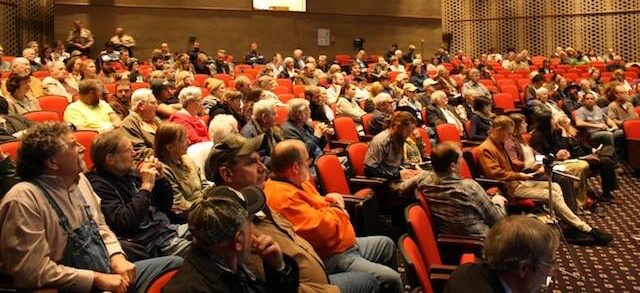
Video from IDNR Effingham Hearings:
More Than a Decade Later, the World Has Changed
There is something else worth remembering as this case returns to court.
Illinois’s fracking regulations were written more than a decade ago.
Since then, scientific knowledge about oil and gas development, induced seismicity and climate change has continued to grow.
The relationship between oil and gas operations and induced seismicity—earthquakes triggered by human activity—is now well established. The U.S. Geological Survey says hydraulic fracturing itself can induce earthquakes and has been linked to larger earthquakes, although wastewater disposal associated with oil and gas production is responsible for most induced earthquakes in the central United States.
That distinction is important. So is the larger lesson: activities involving the injection of fluids underground can, under certain geological conditions, cause faults to slip and produce earthquakes.
At the same time, the realities of a changing climate have become increasingly difficult to ignore.
Here in Illinois, we have witnessed extraordinary severe weather. The Illinois State Climatologist reports that as of July 1, 2026, Illinois had already recorded 173 tornadoes, breaking the previous full-year state record of 142 set in 2024. At that point, Illinois had recorded twice as many tornadoes as the next-most-active state in the nation. Illinois has now experienced more than 100 tornadoes in four consecutive years; before 2023, that threshold had been crossed only four times since 1950.
Tornado activity is influenced by many factors, and those statistics alone do not establish that climate change caused Illinois’s recent tornado outbreaks.
But the broader climate question cannot be ignored when considering the future of fossil-fuel development.
The environmental and scientific context in which we are having this conversation today is not the same as it was when Illinois’s fracking rules were adopted in 2014.
For SAFE, that makes the principles underlying this fight no less relevant—and perhaps more important.
How carefully should government act when making decisions that can affect the environment?
What opportunity should the public have to participate in those decisions?
And what does Illinois’s constitutional promise of a healthful environment mean in practice?
Those are questions worth asking even after twelve years.
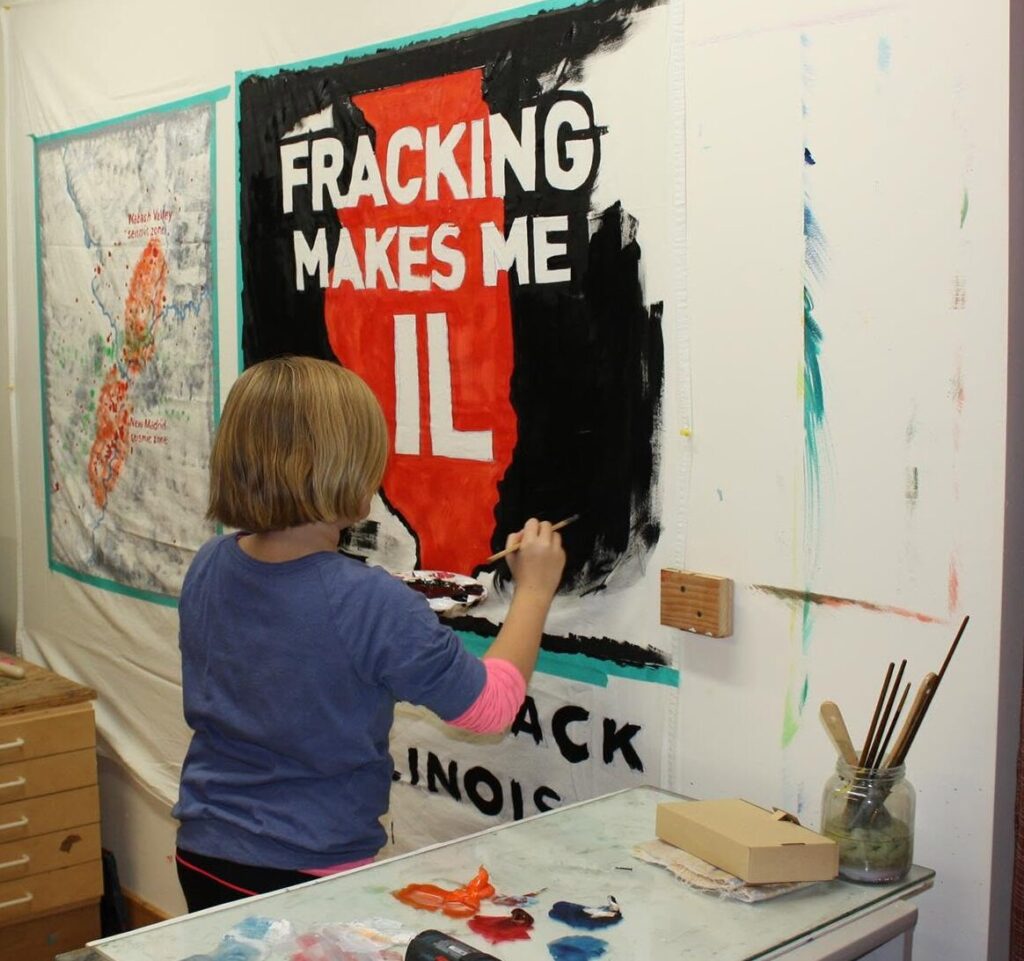
What Is SAFE Asking the Court to Do?
The Fourth Amended Complaint seeks declaratory judgment and permanent injunctive relief.
For example, under one of the remaining claims, the plaintiffs ask the court to find that IDNR failed to comply with required rulemaking procedures and that plaintiffs’ rights to participate fully in the rulemaking process were violated. They ask the court to declare the HFRA rulemaking invalid, prohibit IDNR from implementing or using those rules, and direct the defendants to publish notice that the rulemaking has been invalidated. The complaint also seeks reasonable litigation expenses, including attorney fees as provided by Illinois law.
In other words, this case is not simply an argument over whether someone is “for” or “against” fracking.
It raises a fundamental question about government accountability:
When an Illinois agency creates rules governing an activity with potentially significant consequences for communities, landowners and the environment, must the agency follow the public rulemaking procedures required by law?
SAFE and the other plaintiffs believe that question matters—not only for fracking, but for meaningful public participation in government decision-making.
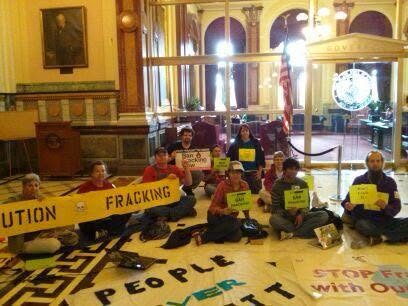
Now We’re Going Back to Court
At the most recent case management conference, the court rescheduled hearings on two motions seeking dismissal of the plaintiffs’ complaint.
Those hearings are now scheduled for:
Monday, December 7, 2026
9:00 a.m.
Madison County Courthouse
Edwardsville, Illinois
The attorneys are expected to appear in person.
We are also checking on whether a Zoom option will be available for members of the public who cannot attend in person. We will update this page as soon as we know more.
The public is welcome to attend the hearing.
And SAFE would very much like to see supporters there.
Stand With SAFE on December 7
Court cases can feel distant from everyday life. They take years. They involve motions, briefs, hearings and procedural questions that rarely make headlines.
But behind all of that paperwork are people.
For more than a decade, individual plaintiffs, attorneys, SAFE volunteers and supporters have continued showing up because we believe Southern Illinois’ land, water and communities are worth protecting—and because the public deserves a meaningful voice in decisions that affect them.
On December 7, we’re asking you to show up with us.
You do not have to be a plaintiff. You do not have to be a lawyer. You don’t have to understand every count in a 66-page complaint.
You can simply be there.
A strong public presence in the courtroom is one way to demonstrate that, after all these years, people are still paying attention.
If you would like to attend but need assistance getting to Edwardsville, please contact SAFE at info@dontfractureillinois.org. We don’t want transportation or distance to prevent someone who wants to stand with us from participating.
We will share additional information about the hearing, transportation coordination and possible remote access as it becomes available. Sign up here to get on the email list.
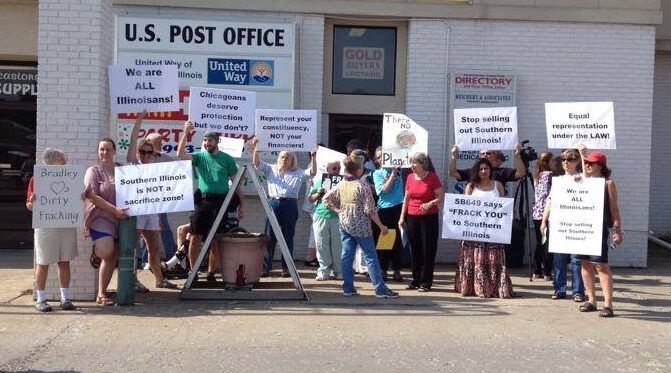
Help SAFE Keep Going
There is another way you can help.
Please consider making a donation to SAFE.
SAFE is a small, grassroots organization. We don’t have a separate legal fund or a large institutional budget behind this work. Donations go to SAFE’s general operating account and support the organization and the work necessary to continue our mission—including public education, outreach, organizing and our continuing efforts to protect Southern Illinois from the impacts of fracking and oil and gas development.
Long-running work like this requires more than attorneys appearing in a courtroom. It requires communicating with the public, maintaining records and research, reaching supporters, keeping people informed, organizing participation and making sure that Southern Illinois voices continue to be heard.
A contribution of any size helps SAFE continue that work.
More Than a Decade—and We’re Still Here
When this lawsuit was first filed in November 2014, no one could have known that we would still be talking about it more than a decade later.
But some fights take time.
SAFE has spent years educating the public about fracking and oil and gas development, advocating for Southern Illinois communities, and insisting that the people who live here deserve a meaningful voice in decisions affecting their homes, property, water and environment.
On December 7, another chapter of that work will unfold in a Madison County courtroom.
We hope you’ll stand with us.
Attend the hearing. Share this story. Support SAFE. Donate if you can. And help us remind Illinois that Southern Illinois is still paying attention.
Interested in attending the hearing, please contact us at info@dontfractureillinois.org